Diffusion is an effective way to disperse essential oils into the air. Once released into the air, an oil's specific aroma can be used to create a desired atmosphere, like the fresh and invigorating aroma of Citrus paradisi, which can also be a mood boost. In addition, the beneficial properties of the oil are released into the air and inhaled, similar to the pathway essential oils take in nature when plants release them into the air.
For more information about the aromatherapy benefits of essential oil diffusion, check out ACHS President Dorene Petersen's article, "Aromatherapy Benefits of Essential Oil Diffusion", on Perfume Pharmer.
In her article, Dorene shares two aromatherapy essential oil blends for diffusion, a Respiratory System Formula and Inhalation Formula. The ingredients for the Inhalation Formula include eucalyptus Eucalyptus globulus oil and peppermint Mentha piperita var. vulgaris oil. Download the specific quantities and blending directions from the Perfume Pharmer. Be sure to leave a comment and let us know how the blend works for you!
Tuesday, March 29, 2011


Monday, March 07, 2011
Essential Oil Profile: Grapefruit Essential Oil a Fresh and Tangy Aroma
 Grapefruit essential oil Citrus paradisi is a hybrid brought about by cultivation of C. maxima and C. sinensis.
The essential oil, pressed or distilled from the fresh peel of the fruit, is a yellowish to pale-green oil with a fresh, bright, and tangy aroma. It feels thin and watery. Like many citrus oils, grapefruit will deteriorate quickly if exposed to moisture, air, or light and should be used within six months.
Traditionally, grapefruit essential oils has been used for its antibacterial, antidepressant, antiseptic, astringent, digestive, and stimulant properties. In perfumery, it blends well with bergamot, black pepper, cardamom, ginger, geranium, lavender, and rosemary.
Note, grapefruit's photosensitive effect is a current topic of research. Until there is definitive clinical testing, avoid citrus oils if there is a chance of being exposed to the sun after an aromatherapy treatment. A skin patch test is also recommended as the oil may cause skin irritation.
Winter Pick Me Up Blend
Grapefruit Citrus paradisi oil: 6-drops
Bergamot Citrus aurantium var. bergamia oil: 6-drops
Lime Citrus aurantifolia oil: 6-drops
Ginger Zingiber officinale oil: 4-drops
Sandalwood Santalum album oil: 2-drops
Blend all the oils and use in a diffuser or atomizer. It can also be added to the bath water; add 5-6-drops maximum.
This information is for educational purposes only. It is not intended to treat, diagnose, cure, or prevent disease. You should always consult with your primary care physician before making any significant changes to your health and wellness routine.
Tuesday, February 15, 2011
Essential Oil Profile: Ginger Essential Oil a Top Pick for Winter
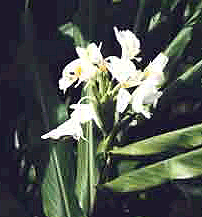 Ginger Zingiber officinale is a member of the Zingiberaceae family and is cultivated in many tropical and subtropical countries. Commonly called common ginger, Jamaican ginger, and ginger root, it should not be confused with galangal oil, Alpinia officinarum, which is also called ginger root.
Ginger oil is produced from dried, whole rhizomes, as well as peelings and shavings if used immediately. The oil has a green or yellowish color and a fresh, spicy, and pungent aroma. The aroma is long-lasting and adds a spicy sweetness to blends. Ginger blends well with essential oils like cedarwood, coriander, frankincense, grapefruit, lime, neroli, orange, patchouli, petitgrain, rose, and vetiver.
For a Winter Blah pick me up, try this essential oil bath salt blend:
Grapefruit Citrus paradisi essential oil: 6 drops
Elemi Canarium luzonicum essential oil: 6 drops
Ginger Zingiber officinale essential oil: 4 drops
Sandalwood Santalum album essential oil: 2 drops
Epsom salts: 1 cup
Sea or mineral salts: 1/2 cup
White clay: 1/8 cup
Mix all ingredients together in bowl and sift. Add 4 tablespoons to one full bath; add after the bath has filled. Essential oils can be added as either single oils or as blends.
Download more information about essential oils for winter from our post Essential Oils for Winter HERE.
*This information is for educational purposes only. It is not intended to treat, diagnose, heal, or prevent disease. You should always consult with your primary care physician, a naturopathic doctor, or a Registered Aromatherapist before making any significant changes in your health and wellness routine. A skin patch test is always recommended.
Monday, February 07, 2011
How to Use Essential Oils to Help Reduce Risk of Viral Infection
Essential oils can be used in the home as antiviral cleaning products. A diffuser used with essential oils like eucalyptus Eucalyptus globulus, lemon balm Melissa officinalis, peppermint Mentha piperita var. vulgaris, or thyme Thymus vulgaris may reduce the airborne viruses in a room.
Essential oils can also be added to hand creams to help reduce the spread of viruses by contact. Of course, these should be used in addition to the common sense CDC recommendations to wash your hands frequently, cover your mouth and nose with your arm when you sneeze, and to stay home if you are sick.
Winter can be a challenging time because there is the potential for many people to be sick with a cold or flu at the same time, but we can use natural support options, such as essential oils, to keep us healthy.
To read the full-length article "The Antiviral Activity of Essential Oils", click HERE.
This article is for informational purposes only. It is not intended to treat, diagnose, heal, or prevent disease. Always consult with your primary care provider for a proper diagnosis if you think you may have the seasonal flu or the H1N1 flu, and follow their recommendations.
Essential oils can also be added to hand creams to help reduce the spread of viruses by contact. Of course, these should be used in addition to the common sense CDC recommendations to wash your hands frequently, cover your mouth and nose with your arm when you sneeze, and to stay home if you are sick.
Winter can be a challenging time because there is the potential for many people to be sick with a cold or flu at the same time, but we can use natural support options, such as essential oils, to keep us healthy.
To read the full-length article "The Antiviral Activity of Essential Oils", click HERE.
This article is for informational purposes only. It is not intended to treat, diagnose, heal, or prevent disease. Always consult with your primary care provider for a proper diagnosis if you think you may have the seasonal flu or the H1N1 flu, and follow their recommendations.
Wednesday, February 02, 2011
Essential Oil Profile: Cinnamon Essential Oil Warming in Winter
 Cinnamon Cinnamomum zeylanicum has a long history of use. For example, did you know the Egyptians used cinnamon in their mummification process? Historically, cinnamon was also used as an ingredient in a medicinal tonic called "hippocras," and was blended with ginger and cloves. Today, cinnamon is most commonly known as a culinary flavoring. But, cinnamon essential oil has many health promoting properties worth exploring.
The active constituents in cinnamon essential oil include aldehydes, which are antifungal [1,2], antimicrobial, and antiseptic, as well as the oxide 1,8 cineole, trans-cinnamic acid, and terpenes, among others. Traditional uses include: slow circulation, colds, cough, gums, infection, influenza, lice, intestinal parasites, stomach cramp, and stress, to name a few.
Aromatically, cinnamon has a spicy, slightly woody scent, which can be warming in colder months. Cinnamon blends well with benzoin, frankincense, myrrh, orange, peppermint, and ylang yang.
Download our Cinnamon Air Purification Blend from our post Essential Oils for Winter.
Referenes
1. Lima EO, Gompertz OF, Giesbrecht AM, et al. In vitro antifungal activity of essential oils obtained from official plants against dermatophytes. Mycoses 1993;36 (9-10):333-336.
2. Viollon C, Chaumont J-P. Antifungal Properties of Essential Oils and Their Compounds upon of Cryptococcus neoformans. Mycopatholgia 1994;128 (3):151-153.
*This information is for educational purposes only. It is not intended to treat, diagnose, cure, or prevent disease. You should always consult with your primary care physician, naturopathic doctor, or Registered Aromatherapist before making any significant changes to your health and wellness routine.
Thursday, January 27, 2011
6 Tips for Selecting Essential Oils for Clinical Use

Just like wine, a number of factors affect the quality of an essential oil, including:
- Where the plant was grown.
- What part of the plant was used.
- How it was grown.
- What the climate was like.
- How it was harvested.
- When it was harvested.
- How it was produced.
- How it was stored following production.
1. Know your supplier. Start by developing a relationship with a supplier you can trust. Try to deal with suppliers either who distill their own material or who deal directly with reputable distillers. Suppliers usually will provide a small sample of the oil for you to check before purchasing larger quantities.
2. Use the Latin names. Order by the Latin name, and always check labels for the correct botanical name.
3. Perform your own tests. Make sure the oil is pure and not extended or diluted by using the organoleptic testing techniques we have learned so far. Educate your olfactory senses: Smell, taste, feel, and look at oils from many different samples and sources to gain experience.
4. Do not rely on price as an indicator of quality. Be aware that a higher price does not necessarily mean a higher quality. It is important to check all oils thoroughly regardless of the price. Note that a price that is very low comparatively may indicate that an oil is not as labeled, is diluted in a base oil, or is otherwise adulterated. Many expensive oils, such as rose and neroli, are sold diluted in a base oil such as sweet almond.
5. Gas chromatographs. Gas chromatography (GC), mass spectrometry (MS), and similar additive-revealing techniques can analyze oils. This can be particularly helpful when purchasing large quantities. However, chemical analysis does not always reveal the presence of adulterants and an experienced technician must carry out the analysis of the MS. In addition, a GC must be conducted for each batch, so the cost can be very prohibitive for small distillers. A GC is not always a guarantee of quality. One test does not replace another. It is best to use all available tests in combination.
6. Organoleptic testing is still the ultimate test. Build your experience. The very best way to gain experience and familiarity with pure essential oils is to sample as many pure oils and synthetic oils as possible and document the differences.
Wednesday, January 26, 2011
Essential Oils for Winter
 As winter unfolds its many surprises--cold temperatures and short, gray days among them--it's a great time to enjoy adding warming and uplifting essential oils into your seasonal blends. Warming essential oils like cinnamon Cinnamomum zeylanicum and ginger Zingiber officinale have fresh, spicy aromas that blend well with citrus oils like grapefruit. Citrus oils are pleasant to use during the winter season because their fresh, uplifting scents can help support healthy emotional well-being.
Air Purification Formula with Cinnamon Essential Oil
- Clove Syzygium aromaticum oil: 3-drops
- Cinnamon Cinnamomum zeylanicum oil: 3-drops
- Lavender Lavandula angustifolia oil: 3-drops
- Peppermint Mentha piperita oil: 3-drops
- Pine Pinus sylvestris oil: 3-drops
- Rosemary Rosmarinus officinalis oil: 3-drops
- Thyme Thymus vulgaris oil: 3-drops
- Water (distilled): ½-oz
- Alcohol: ½-oz
More information about cinnamon, ginger, and grapefruit essential oils to come!
*This information is for educational purposes only. It is not intended to treat, diagnose, heal, or prevent disease. You should always consult with your primary care physician, a naturopathic doctor, or a Registered Aromatherapist before making any significant changes in your health and wellness routine.
Friday, January 07, 2011
Essential Oil of Vitex May Ease Symptoms of PMS and Menopause
 Vitex Vitex agnus-castus, also called chaste tree and monk's pepper, is from the family Verbenaceae. A perennial, deciduous shrub, vitex grows to about 6-18 feet high and can spread to about 15 feet. The leaves are dark green, the flowers are small and lilac, and the berries are red- black with a spicy, aromatic flavor and aroma.
Historically, vitex is said to have been chewed by monks to help preserve their celibacy. There are also reports mentioning its use in Greek rituals, as well as the practice of carrying twigs for protection against dangers and to signify chastity.
Vitex essential oil is a pale to dark-yellow color and has a strong aroma, but is not traditionally used in perfumery. The fruit, or berries, are used to produce the oil, which includes the active constituents limonene, 1,8-cineol, pinene, carophyllene, and sabinene.
Therapeutically, vitex essential oil is thought to have hormonal effects, such as support for the relief of common menopausal symptoms[1] and PMS[2], and may also have antibacterial and antifungal effects.
To learn more about vitex, read the full-text article "Essential Oil of Vitex May Ease Symptoms of PMS and Menopause," which originally appeared in the March 2010 issue of the ACHS Reporter HERE.
To learn more about vitex, read the full-text article "Essential Oil of Vitex May Ease Symptoms of PMS and Menopause," which originally appeared in the March 2010 issue of the ACHS Reporter HERE.
References
1 Lucks, B. (2003). Vitex agnus castus essential oil and menopausal balance: a research update. Complementary Therapies in Nursing and Midwifery Vol 9, Issue 3 148-154.
2. (2009). The premenstrual syndrome: effectiveness of Vitex agnus castus. Med Monatsschr Pharm. May; 32(5): 186-91.
2. (2009). The premenstrual syndrome: effectiveness of Vitex agnus castus. Med Monatsschr Pharm. May; 32(5): 186-91.
Thursday, January 06, 2011
Compresses an Effective Way to Use Essential Oils
 Did you know compresses are a very effective way to use essential oils?
Typically made from gauze or a similar soft material, a compress can be applied with pressure to specific parts of the body to help control hemorrhage, help relieve pain-related symptoms, or support the body's natural defenses against infection. For example, cold compresses are traditionally used with sprains, localized swelling, blisters, insect bites, stings, bruises, and headaches; hot compresses are traditionally used with abscesses, boils, cystitis, and dysmenorrhea.
A simple method for using essential oils with compresses is to:
- Add 6 drops of essential oil to 9 oz of water. (Use ice water for cold compresses and boiling water for hot ones.) First pour the water into a bowl, and then add the oil.
- Saturate a clean piece of unbleached muslin (or similar cloth, such as clean cotton) in the mixture, wring out, and apply.
- With sprains: Peppermint, chamomile, eucalyptus, ginger, lavender, pine, rose, and rosemary
- With bruises: Eucalyptus, geranium, ginger, lavender, and peppermint
- With localized swelling: Ginger, rose, and rosemary
- With abscesses and boils: Bergamot, eucalyptus, rose, manuka, and tea tree Australia
- With menstrual pain: Chamomile, clary sage, lavender, peppermint, rose, and rosemary
* This article is for informational purposes only. It is not intended to treat, diagnose, heal, or prescribe. A primary care physician, naturopathic physician, or Registered Aromatherapist should be consulted before making any significant changes to your health and wellness routine.
Tuesday, November 30, 2010
Benefit Of DIY Natural Homemade Gifts
 BY Keoi Magill, ACHS Graduate Certificate in Aromatherapy
We all have much to gain by making our own homemade natural gifts. Anyone can run into a store and buy something off the shelf. But, when you put the time, thought, and energy into making gifts for those you love, the receiver knows that they are special to you.
By using natural materials you are also promoting a green lifestyle. Giving gifts that are natural to friends who have not experienced the benefits of organic products can be quite the eye opener. You will be introducing an eco-friendly lifestyle to someone who may be inexperienced. Plus, typically it costs more to purchase something already made, so you will save money as well.
Making DIY natural gifts can reduce stress. With all the hustle and bustle that life throws at us, spending the time doing something creative can be a form of meditation, calming and exhilarating you all at the same time. It can remove the worry about duplicating something your loved ones already have: your gift is original and one of a kind.
Handmade gifts can be problem solvers and time savers, especially for those on our holiday list who we never know what to give. No more wandering around trying to find that just-right gift. As long as we follow good manufacturing practices, quality assurance is guaranteed when we make natural gifts. We know that our gifts are toxic free and will not harm the environment or our family and friends.
In the truest spirit of the holiday season, there is nothing that we can do that is more rewarding than to make do-it-yourself homemade natural gifts.
For a free holiday recipe book, download the Apothecary Shoppe Holiday Recipe Guide HERE.
Tuesday, November 16, 2010
Re-Coloring Black Friday with Aromatherapy
 BY Keoi Magill, ACHS Certificate in Aromatherapy Graduate
On Black Friday (November 26), we have less than a month until the presents will be unwrapped. With all the gifts to be purchased, parties to plan, cards to write and holiday cooking, we just don’t seem to have time to spend taking care of ourselves. You can dial down your holiday stress and achieve balance with aromatherapy. Here are a few simple and easy ways to sail through the holiday season.
Before you go out shopping put a few drops of lavender oil Lavendula angustifolia, on a cotton ball. Just breathe in the calming aroma whenever you need it. Another way is to add the lavender to 4 oz of distilled water and spray yourself with a fine mist. It will help reduce your stress and alleviate irritability.
Add a drop or two of peppermint oil Mentha piperita, to your favorite body lotion and rub it into your feet. It will help invigorate and refresh your tired feet and help with exhaustion.
Make a blend of bergamot Citrus bergamia, peppermint Mentha piperita, and cinnamon Cinnamomum zeylanicum, and diffuse on a lamp ring or ceramic diffuser throughout your home before a party. Not only will it help reduce your anxiety and nervousness, it smells festive and inviting.
When you are wrapping presents or writing out your holiday cards, diffuse or use a cotton ball with a few drops of rosemary Rosmarinus officinalis and neroli Citrus aurantium var. amara. These two oils are great together for mental clarity and to help ward off depression.
The holiday season doesn’t have to be black when you can open your crayon box of essential oils and in minutes color yourself balanced.
To learn more about aromatherapy and essential oils, download your free copy of "History of Aromatherapy" HERE.
*This article is for informational purposes only. It is not intended to treat, diagnose, prescribe, or cure. See you primary care physician before making any significant changes to your health and wellness routine.
Thursday, October 07, 2010
5 Essential Oils in 5 Minutes or Less: Our Top 5 Picks for Fall
 If you could only pick five essential oils to use for the rest of your life, which would they be? Don’t worry … we can’t answer that question either! But we can recommend five of our favorite essential oils to keep on hand this fall. Here’s a snapshot introduction to our top five picks.
1. Cinnamon Cinnamomum zeylanicum has a spicy aroma and is considered a base to middle note. It blends well with frankincense, orange, and peppermint, forming a lovely seasonal scent. Medicinally, cinnamon has antiseptic, antispasmodic, and bactericidal qualities, making it an effective air purifier. Blend cinnamon with some of our other favorites (like clove, lavender, and peppermint) to create a room spray that’s both seasonal and germicidal.
2. Clove Syzygium aromaticum was an important commodity for the Greeks and Romans and was heavily traded. Clove bud oil has been shown to inhibit the production of free radicals and to have anti-inflammatory and antiviral properties. Recent studies have highlighted its use especially for oral hygiene. Another good oil for travel! You can add 2 drops of the essential oil to 1 cup of water to make an on-hand mouthwash. For aromatherapeutic blends, clove imparts a fresh top note and blends well with bergamot, lavender, vanilla, and ylang ylang.
Read about our other picks--eucalyptus, tea tree Australia, and vetiver--in the October issue of our enewsletter, The Reporter. Download The Reporter HERE.
Help us spread the word about aromatherapy. Use the share button to email this article to a friend. Post a link to your Facebook. Send a tweet. And ... thanks!
*This information is intended for educational purposes only. It is not intended to diagnose, treat, cure, or prevent any disease.
Wednesday, September 29, 2010
Practical Aromatherapy: Using Aromatherapy to Help Attract Home Buyers
 Experts say selling your home takes a little luck and a lot of preparation. With a gaggle of homes currently on the market, spending that extra time to make the best first impression may make all the difference. It certainly couldn’t hurt!
To prepare your home, realtors suggest taking several steps to present an organized, clutter-free and clean home, including cleaning out your drawers and cabinets, making minor repairs, and deep cleaning.
Part of deep cleaning is scent. For example, it’s important to clean out drains so they look nice, but also because hidden debris can encourage mold and an accompanying musty smell. A little tea tree (Melaleuca alternifolia) essential oil diluted in water can be an effective, chemical-free alternative to more traditional cleaning products. Plus, it smells better than synthetic cleaners and room sprays used to mask odors.
You may also want to diffuse some essential oil into the air before you show your home. This can help to freshen the air and to encourage a positive first impression. There are many essential oils to choose from, but you may want to select an oil that has general appeal, that is a familiar, and that is uplifting, such as bergamot (Citrus aurantium var. bergamia), geranium (Pelargonium graveolens), mandarin (Citrus reticulata), neroli (Citrus aurantium var. amara), and ylang ylang (Cananga odorata).
Watch Aromatherapy Blending from ACHStv next!
Wednesday, September 22, 2010
Using Aromatherapy in Fall: Bring the Spirit of the Season Indoors
 Fall has arrived! And, right on its heels, cooler weather. The good news … there is a lot to love about the fall: pumpkin patches, rich colors, root vegetables, warm herbal teas, and essential oils.
Just as nutritionists recommend eating with the seasons, there are aromatherapeutic essential oils that complement the seasons too. Select spicy, earthy, rich aromas to bring the spirit of the season indoors and to create feelings of warmth. We suggest a blend of sweet orange, cinnamon, ylang ylang, and lemon (the Festive Spice blend from our Apothecary Shoppe).
Sweet orange Citrus sinensis essential oil helps to support emotional well-being and has a sweeter, fruity scent. It blends well with basil, cinnamon, clary sage, clove, lavender, neroli, lemon, and nutmeg. For more information about sweet orange visit here.
Cinnamon Cinnamomum zeylanicum essential oil supports healthy digestion and stress management and has a spicy, earthy aroma. It blends well with ginger, nutmeg, rosemary, frankincense, and the citrus oils. For more information about cinnamon, visit here.
Ylang ylang Cananga odorata essential oil is attributed with analgesic, antidepressant, and aphrodisiac properties. It has a sweet aroma with long-lasting woody undertones and blends well with lavender, bergamot, the citrus oils, and sandalwood. For more information about ylang ylang, visit here.
Lemon Citrus limonum essential oil supports a healthy respiratory system and has a refreshing aroma. It blends well with cedarwood, chamomile, clove, eucalyptus, fennel, juniper, lavender, neroli, oakmoss, petitgrain, pine, sandalwood, and ylang ylang. For more information about lemon, visit here.
Festive Spice Blend
6 drops Sweet Orange
1 drop Cinnamon
2 drops Ylang Ylang
1 drop Lemon
We hope your first day of fall is fantastic and look forward to hearing more about your fall aromatherapy blends. Post any blending tips, photos, recipes …. here!
*These statements have not been evaluated by the Food and Drug Administration. This product is not intended to diagnose, treat, cure, or prevent any disease.
Monday, September 20, 2010
Essential Oils May Be Effective with Lice
 Creepy crawly lice torture school-aged children. It can be hard to rationalize with kindergartners, to make them understand why they really don't want to touch their hair or scratch or share their personal hygiene products with friends.
Instead, it may be more effective to focus on prevention. Check your children regularly. Because lice can be spread person-to-person without physical contact, the USA Today article "Lice: Any kid can get 'em, so comb early, comb often" recommends 1. maintaining appropriate personal space; 2. having shorter hair, and; 3. checking your child's hair regularly.
If it's too late, however, you will want to check everyone in the house, select some kind of product to help rid the lice, and wash all clothes and furniture.
There are many products on the market, including chemical shampoos. But before you use chemicals, you may want to consider essential oils. Evidence suggests essential oils--specifically cinnamon, peppermint, and eucalyptus[1]--may effectively kill lice.
Natural Health Magazine suggests you "mix 1/8 teaspoon of cinnamon leaf oil and 1/8 teaspoon of peppermint oil with four ounces of a basic shampoo. Apply to your child’s head, leave on for 20 minutes, and rinse. Don’t leave on overnight: Essential oils are too concentrated to be used for that long."*
If you have used essential oils with lice, we want to hear your story. Please post any suggestions you can share and/or essential oil recipes!
[1] Toloza AC, Lucía A, Zerba E, Masuh H, Picollo MI. 2009. Eucalyptus essential oil toxicity against permethrin-resistant Pediculus humanus capitis (Phthiraptera: Pediculidae). Parasitol Res. Jan;106(2):409-14. Epub 2009 Nov 10.
*These statements have not been evaluated by the Food and Drug Administration. This product is not intended to diagnose, treat, cure, or prevent any disease.
Thursday, September 16, 2010
Antiviral Activity of Essential Oils: It's Never too Early for Good Health
 It's started to rain here in Portland, a not-so-subtle reminder that fall is on the way. It seems this time of year usually comes with a spike in seasonal colds and flu, as well as the gray-scape of clouds. Not so fun!
Before the season sets in, you may want to take stock of your essential oil inventory at home. Do you have the basics--like eucalyptus, lemon balm, and peppermint--which are thought to help kill airborne viruses when diffused into the air? These essential oils can also be added into hand creams to help stop the spread of infection through person-to-person contact.*
For more health-promoting tips this pre-fall season, check out ACHS Academic Dean Dr. Arianna Staruch's article about the antiviral activity of essential oils: http://www.achs.edu/news/news-detail.aspx?nid=193
You also may want to visit the Apothecary Shoppe, where most essential oils have posted information about their traditional use and wellness support, and some even include blending formulas.
Here's the recipe to prepare an inhalation from the eucalyptus webpage:
Alcohol, 90%: 4.5-cups
Eucalyptus Eucalyptus globulus oil: 6-t
Thyme Thymus vulgaris oil: 3-t
Pine Pinus sylvestris oil: 3-t
Lavender Lavandula angustifolia oil: 2-t
Lemon Citrus limon oil: 2-t
Mix all ingredients. To prepare as an inhalation, add 3-t to 6-cups of boiling water. This mixture can also be added to the bath water or to footbaths. Use 3-drops in the bath or 1-2-drops in a footbath.
* This information is provided for educational purposes only. It is not intended to treat, diagnose, or prescribe.
Wednesday, September 15, 2010
Aromatherapy Essential Oils Help Reduce Stress
 We spotted this article on NaturalNews.com and thought you'd find it interesting, "Use Aromatherapy to Reduce Stress." Though the information is fairly introductory, the author does makes some useful suggestions for simple ways you can start using aromatherapy as part of your everyday health routine.
The ACHS Wellness Guide includes some more specific information for how to use aromatherapy essential oils. You can download it here: http://www.achs.edu/news/news-detail.aspx?nid=225
You might also be interested in this free download, What is Aromatherapy?, by ACHS President Dorene Petersen. The lecture was originally presented at the Portland Chinese Gardens as part of their Festival of Fragrance, and there is a lot of useful information about how essential oils are produced and how they can be used to support optimal health. Here is the link from the ACHS website, under News and Events: http://www.achs.edu/news/news-detail.aspx?nid=224
To get you started, here's the recipe for our Calming and Relaxing Herbal Bath Blend. You can download more recipes from our Apothecary Shoppe. Select "Free Downloads" from the left-hand toolbar and click on ACHS Holiday Recipes:
Calming and Relaxing Herbal Bath Blend
Use 2-10 drops of essential oil per bath. Use equal parts of spearmint leaves, comfrey root, chamomile flowers, and valerian root. For a foot bath, use 10 drops of essential oil per 1⁄2 gallon of water.
Monday, September 13, 2010
Clove Essential Oil Support to Ease Pain, Kill Viruses
Clove essential oil is in the news ... again! A new article from Care2.com is a great addition to our post last week, New Study Finds Clove Essential Oil May Help with Rashes.
Here's a snippet of the article, "Essential Oil Eases Pain, Kills Viruses," featuring the analgesic and antifungal properties attributed to clove Syzygium aromaticum essential oil:
"Easing Pain: Clove essential oil’s is best known for its ability to alleviate toothaches, making it a common ingredient in natural toothpaste and mouthwash. Additionally, it is often added to liniment and massage oils since it component, eugenol, has anti-pain properties.
"Kills Viruses: This potent aromatherapy oil has also been shown in studies to halt reproduction of the herpes viruses including those linked to cold sores and shingles.
"Because it is a potent oil and can be irritating to mucous membranes and the skin, it should always be diluted in a carrier oil like sweet almond or extra virgin olive oil (about 3 drops in a teaspoon of carrier oil). Also, be sure to do a test patch on the inside of your arm and wait for 24 or 48 hours to be sure you aren’t sensitive to the oil."
To read the full-length article, visit the Care2.com website here: http://www.care2.com/greenliving/aromatherapy-oil-eases-pain-kills-viruses.html
Here's a snippet of the article, "Essential Oil Eases Pain, Kills Viruses," featuring the analgesic and antifungal properties attributed to clove Syzygium aromaticum essential oil:
"Easing Pain: Clove essential oil’s is best known for its ability to alleviate toothaches, making it a common ingredient in natural toothpaste and mouthwash. Additionally, it is often added to liniment and massage oils since it component, eugenol, has anti-pain properties.
"Kills Viruses: This potent aromatherapy oil has also been shown in studies to halt reproduction of the herpes viruses including those linked to cold sores and shingles.
"Because it is a potent oil and can be irritating to mucous membranes and the skin, it should always be diluted in a carrier oil like sweet almond or extra virgin olive oil (about 3 drops in a teaspoon of carrier oil). Also, be sure to do a test patch on the inside of your arm and wait for 24 or 48 hours to be sure you aren’t sensitive to the oil."
To read the full-length article, visit the Care2.com website here: http://www.care2.com/greenliving/aromatherapy-oil-eases-pain-kills-viruses.html
Wednesday, September 08, 2010
New Study Finds Clove Essential Oil May Help With Rashes
 A new study from the Queensland Institute of Medical Research (QIMR) has found that clove essential oil may help with itchy rashes, such as those associated with scabies. (Perhaps it may be useful with bedbugs, considering the recent U.S. outbreak? Hmmm?)
"Essential oils and their active chemical components have long been proven to be effective against animal parasites such as cattle ticks, sheep ticks, and rabbit mites. Our research is applying this theory to the human scabies mite," said Pasay, one of the researchers.
"We also tested eugenol, which makes up 80% of clove oil, and its related compounds for their effects on the mites and found they were comparable to an existing treatment for scabies," Pasay said.
Clove essential oil contains the constituents eugenol, beta-caryophyllene, alpha-humulene, and is attributed with antiseptic, antispasmodic, and insecticide properties, among others.
To read the full-text research announcement, go to: http://www.dnaindia.com/health/report_clove-oil-may-treat-itchy-rashes_1435265
Thursday, September 02, 2010
Tea Tree Essential Oil Helps Clean Mold from Your Home
 It seems like near every day there is a new article about the health benefits of cleaning your home with natural, chemical-free products. We're happy to see this information is out there for people to read and use!
In fact, we recently spotted an interesting article about a specific use for tea tree essential oil in the home. Mold. As explained in the article "Does Tea Tree Oil Help Kill Mold?" from naturalhealthezine.com, mold not only looks unsightly, is can pose several potential health risks, including triggering allergic reactions and asthma attacks.
Tea tree essential oil is attributed with antibacterial and antiviral properties, and is a good alternative to more traditional cleaning products, like bleach. Plus, a little bit of the essential oil used in water goes a long way. You may, however, want to wear gloves while cleaning with tea tree essential oil. It can cause skin irritation is those who are sensitive. We recommend using a skin patch test before cleaning your home.*
Naturalhealthezine.com recommends making a tea tree essential oil mold spray from 2 cups of water and 1-2 drops of the oil. Shake the bottle thoroughly before spraying. Then saturate the moldy area with the spray and allow it to sit overnight; wipe down the area the next day.
For more information about the chemical constituents and benefits of EcoCert organic tea tree essential oil, visit the Apothecary Shoppe Store: Tea tree Australia (Melaleuca alternifolia) and tea tree New Zealand (Leptospermum scoparium).
*These statements have not been evaluated by the Food and Drug Administration. This product is not intended to diagnose, treat, cure, or prevent any disease.
Image (c) http://www.flickr.com/photos/briangratwicke/4241137381/sizes/sq/in/photostream/
Subscribe to:
Posts (Atom)